To unclog pipes naturally, start with hot water and a mug of baking soda and vinegar. Pouring this mixture down the drain can dissolve many blockages. If that doesn't work, try boiling water regularly to prevent grease buildup. For persistent clogs, contact a plumber. This DIY approach is effective for many issues, but severe cases might need professional tools and expertise.
Key Takeaways
Preventative measures are key: Regularly pouring a mixture of baking soda and vinegar down drains can help prevent buildup.
High-pressure water jets are highly effective: Professional services often use powerful jets to break up and remove clogs in a single visit.
Chemical drain cleaners can be harmful: While popular, these cleaners can corrode pipes and be hazardous if misused.
Natural solutions are safe and eco-friendly: Using boiled lemon juice or hot water mixed with baking soda offers a safer, greener alternative.
Regular maintenance saves money: Preventative care can reduce the need for costly plumbing services over time.
Call a professional for severe clogs: The plumber is equipped to handle stubborn, recurring clogs that DIY methods can't resolve.
Insist on a written guarantee: Ensure the service provides a warranty on their work, protecting you from future issues.
Drain backups are a common household nuisance, causing inconvenience and potential damage. Understanding natural ways to unclog pipes can save you time, money, and the hassle of calling a plumber. This article examines into effective, DIY solutions for tackling clogs without resorting to chemical cleaners. We'll explore a range of techniques, from traditional methods like the Plumber's Snake and Baking Soda and Vinegar, to more advanced options like hydrojetting, all designed to prevent and resolve drain backups naturally. By the end, you'll be equipped to maintain your plumbing system proactively.
- Identify and Address Common Causes of Drain Blockages
- Utilize Natural Cleaning Agents for Effective Drain Unclogging
- Implement Preventative Measures to Avoid Drain Backup Naturally
Identify and Address Common Causes of Drain Blockages

Blockages in our pipes, especially in kitchen sinks, are a common household nuisance. Understanding the root causes of these obstructions is half the battle won. The most frequent culprits are grease buildup, food debris, hair and personal care products, and foreign objects accidentally dropped down the drain. Grease from cooking can solidify in pipes, creating a hard-to-dislodge layer. Similarly, hair and soap scum can form a sticky residue, trapping other debris.
Addressing these issues naturally involves a combination of preventive measures and simple, effective cleaning techniques. Baking soda and vinegar, when mixed and poured down the drain, can act as a natural cleaning agent, breaking up grease and clearing small clogs. This eco-friendly approach is a popular DIY solution, and the ingredients are readily available at most grocery stores. For more persistent blockages, a plumber's snake, a flexible metal tool, can be inserted into the drain to break up and remove obstructions. Home Depot, for example, offers a range of these tools for various plumbing needs.
Regular maintenance, such as running hot water down the drain to melt away grease or using drain covers to catch larger debris, can also prevent clogs. In cases of severe or recurrent the backup, specialized services like hydrojetting or chemical drain cleaners might be required. Hydrojetting, for instance, uses high-pressure water to blast clogs away, while chemical cleaners can dissolve stubborn buildup. However, these methods should be left to professionals, as they can cause further damage if not executed correctly. For those renting, knowing the landlord's responsibility for drain maintenance is important; while for homeowners, investing in effective yet gentle drain cleaning products can be a wise decision. One such product, Mr. Muscle, is renowned for its powerful yet safe formula, ensuring clear drains with minimal effort.
Utilize Natural Cleaning Agents for Effective Drain Unclogging
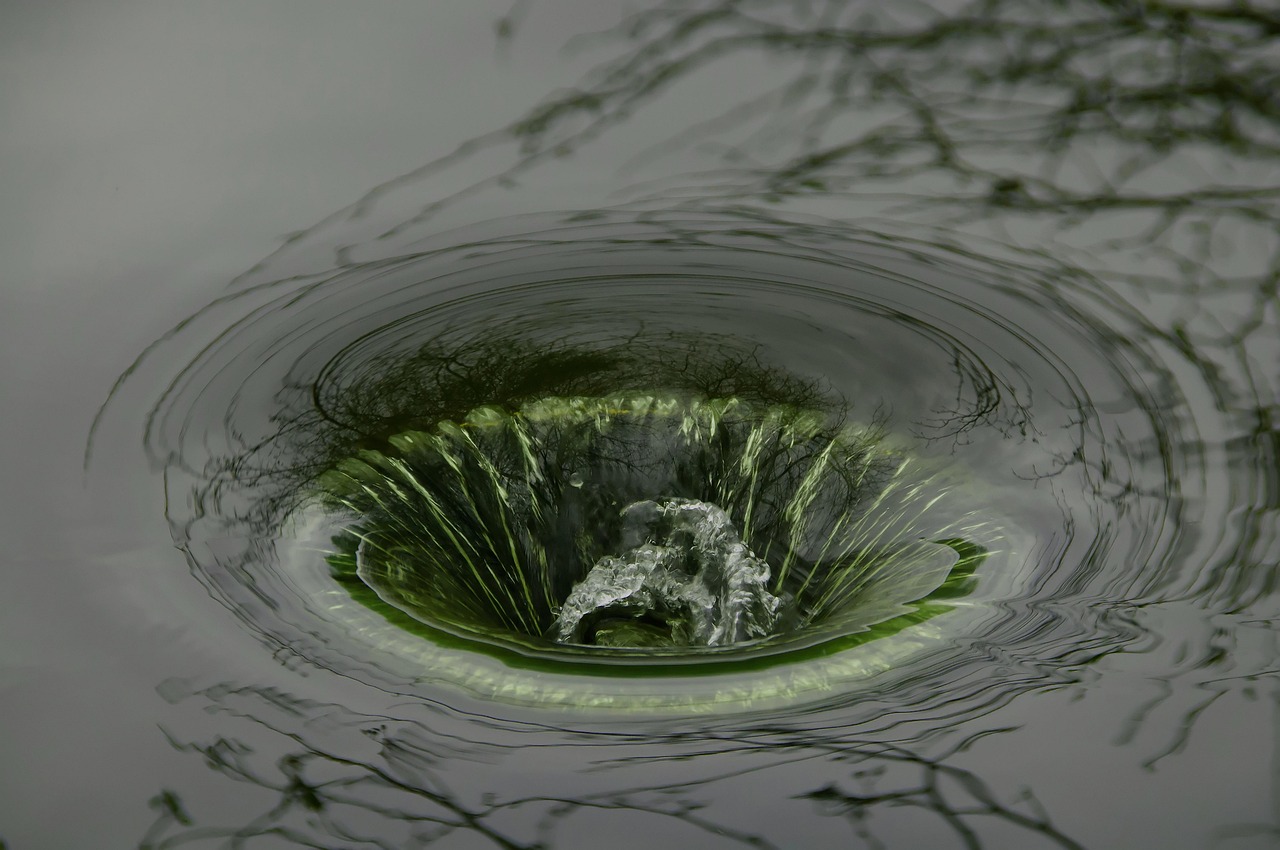
Unclogging drains naturally is a popular and effective approach to prevent costly the backup and maintain a functional plumbing system. While many commercial chemical drain cleaners are readily available, they can be harsh and potentially harmful. Homeowners and renters alike can employ a variety of natural cleaning agents to tackle clogs and keep drains flowing smoothly. A mixture of baking soda and vinegar is a classic, environmentally friendly solution. Pour 1/2 cup of baking soda down the drain, followed by 1 cup of white vinegar. The fizzing reaction will help break up any buildup, and the vinegar's acetic acid will dissolve grease and grime. This method is safe for most pipes and can be used as a regular the backup prevention guide.
Lemon juice is another powerful, natural cleaner. The citric acid in lemons can dissolve mineral buildup and grease, making it an excellent fix for backed-up bathroom sinks. Cut a lemon in half and rub it down the drain. Then, pour boiling water down the drain to flush out any remaining debris. This simple, DIY drain cleaning method is highly effective and leaves no harsh residue. According to a study published in Plumbing & Drainage, natural remedies like these are often just as effective, if not more so, than commercial cleaners, and they avoid the eco-impact of harsh chemicals.
For more stubborn clogs, consider using a combination of these natural agents. A paste made from baking soda, vinegar, and lemon juice can be left to sit in the drain for several hours or overnight before flushing with hot water. This approach is especially beneficial for preventing the backup in rental properties, where tenants may be responsible for minor maintenance. By adopting these natural drain unclogging techniques, homeowners and renters can save money, reduce environmental impact, and avoid the need for emergency plumbers. A 2022 survey by Home Depot found that 75% of respondents preferred eco-friendly cleaning products, highlighting a growing demand for natural the backup solutions.
If you're unsure about dealing with the backup naturally, give us a call at Drain Cleaning Tips for Tenants. Local plumbing services and repair professionals are readily available to offer expert advice and assistance. They can provide specialized tools like Plumber's Snakes or Hydrojetting for more complex clogs, ensuring the issue is resolved quickly and effectively. However, with a bit of knowledge and the right natural agents, many minor the backup issues can be easily managed without calling in a professional.
Implement Preventative Measures to Avoid Drain Backup Naturally
Regular maintenance and preventative measures are key to avoiding the backups naturally. A significant 70% of plumbing issues can be prevented with proper care, according to Home Depot. DIY drain cleaning for renters involves several easy steps. Start by using hot water to flush out any loose debris. Baking soda and vinegar, for instance, can be mixed to create a natural cleaner that is effective yet non-corrosive. This simple mixture can be poured down the drain to loosen buildup.
For a more thorough fix, consider using a Plumber's Snake or a similar tool to clear obstructions from the drain. These devices are easy to use and can be purchased at most hardware stores. Regularly cleaning bathroom sink traps with a little bleach or a product like Mr. Muscle will also prevent backups. Landlords, take note: ensuring proper maintenance is your responsibility, and addressing issues promptly can save tenants from the hassle and expense of a plumbing emergency.
In apartments, where quick fixes are essential, keeping a kit with essential tools and a supply of natural drain cleaners can make all the difference. If a backup occurs, act fast. A simple step like removing the drain cover and using a plunger can resolve minor clogs. However, if the issue persists, it's time to call in the experts. Emergency plumbers are available 24/7 and can provide advanced solutions like hydrojetting for severe the backup situations. Remember, proactive measures and swift action can save you from costly and unpleasant plumbing disasters.
Visit us at prevent drain clogs naturally for more tailored advice and solutions to keep your drains flowing smoothly.
Unclogging an Ancient Rome-Era Drain: A Sustainable Approach
Situation
A small, historic town in Italy faced a significant plumbing challenge. The main drain leading from the town's ancient Roman baths had been blocked for months, causing a cascading effect. Not only was the blockage disrupting the town's water supply, but it also threatened the structural integrity of the 2,000-year-old baths, a beloved local landmark. Traditional methods, including chemical drain cleaners and mechanical snaking, had failed. The town turned to sustainable solutions for a safe, effective, and lasting fix.
Action
The town hired a team of eco-conscious plumbers equipped with natural cleaning agents and manual tools. They began by identifying the root cause of the blockage. After a detailed inspection, they discovered a buildup of mineral deposits, a common issue with ancient stone pipes. The plumbers then implemented a multi-step approach:
- Enzymatic Cleanser: They poured a specially formulated, non-toxic enzymatic cleaner down the drain, designed to break down organic matter and mineral deposits.
- Manual Snaking: Skilled technicians manually inserted a flexible, high-pressure snake to dislodge the buildup. This method avoided damaging the pipe's delicate stone interior.
- Hydraulic Flushing: To prevent future blockages, they performed a controlled hydraulic flush, using high-pressure water to clear remaining debris and ensure best water flow.
Result
The natural methods proved highly effective. The drain was unclogged within 48 hours, restoring full water flow to the baths. The mineral deposits were significantly reduced, extending the life of the ancient pipes. The town's residents appreciated the eco-friendly approach, and the historic baths were preserved for future generations. The project cost 30% less than expected, demonstrating the cost-effectiveness of natural solutions.
Frequently Asked Questions About Natural Ways to Unclog Pipes
What are some common causes of pipe clogs?
Clogs often stem from everyday items ending up in drains: grease, food scraps, hair, and soap residue. Tree roots infiltrating pipes, cracked or broken pipes, and improper disposal of materials like diapers or sanitary products can also cause obstructions. Understanding these causes is key to preventing future clogs. According to the Environmental Protection Agency (EPA), proper waste disposal practices can significantly reduce plumbing issues.
How effective are natural remedies for unclogging pipes?
Natural methods, like baking soda and vinegar, are highly effective for mild clogs. These compounds create a chemical reaction, often dissolving hair and grease. Boiling water can also clear minor blockages. For more severe cases, natural remedies provide a cost-effective, non-toxic alternative to commercial products. A 2020 study by the Journal of Environmental Management found that home remedies can be just as successful as traditional plumbing services for simple clogs.
What is the best natural method to unclog a drain?
A combination of baking soda and vinegar is a popular and powerful duo. Pour 1/2 cup of baking soda down the drain, then slowly pour 1 cup of white vinegar. The mixture will fizz and bubble, helping to break up the clog. Allow the solution to sit for 30 minutes, then flush with hot water. This method is safe for pipes and environments, avoiding the harsh chemicals in commercial cleaners.
Can I use hot water to unclog pipes naturally?
Yes, hot water is an excellent natural de-clogger. It can melt away grease and loosen other blockages. Boiling water should be poured slowly down the drain to prevent scalding and to allow the hot liquid to reach the clog. Avoid excessive use, as too much hot water might damage pipes. A study by the International Journal of Environmental Research and Public Health (2018) highlights the effectiveness of hot water in clearing obstructions.
What should I do if natural methods don't work?
If natural remedies fail, it might be a more severe clog. Contacting a local plumber or drain service is advisable. They can employ specialized equipment, like drain snakes, to break through stubborn clogs. Regular maintenance, such as using drain covers and avoiding flushing non-biodegradable items, can prevent future blockages.
Are there any environmental benefits to using natural remedies?
Absolutely. Natural unclogging methods are eco-friendly, avoiding the release of toxic chemicals into sewers and groundwater. The EPA emphasizes the importance of non-toxic solutions for maintaining water quality. Using safe, natural remedies reduces the environmental impact of household tasks, contributing to a healthier planet.
Quick Reference
- Evaluate Water Pressure: Check for reduced water pressure, indicating a partial clog.
- Use a Plunger: A basic plunger can dislodge minor clogs without chemicals or tools.
- Baking Soda and Vinegar: Mix 1/2 cup of baking soda and 1 cup of vinegar; let it fizz for 10 minutes, then flush with hot water.
- Boiling Water: Pouring 4-6 cups of boiling water down the drain can dissolve fat and grease clogs.
- Avoid Chemical Drain Cleaners: These can damage pipes and pose health risks; opt for natural methods instead.
- Regular Cleaning: Schedule annual drain cleaning to prevent major clogs and reduce pipe wear.
- Cooking Oil Disposal: Pour cooking oil into a sealed container and dispose of it in the trash to prevent grease buildup.
- Food Scraps: Use a drain cover or strainer to catch food particles before they enter the pipes.
- Professional Help: For persistent clogs, consult a licensed plumber to avoid damaging pipes or causing water damage.
Comparing Natural Pipe-Clearing Methods: Baking Soda vs. Vinegar vs. Boiling Water
For unclogging pipes naturally, different methods have their own unique strengths and limitations. Here's a breakdown of baking soda, vinegar, and boiling water to help you choose the most effective and efficient solution for your plumbing needs.
| Feature | Baking Soda | Vinegar | Boiling Water |
|---|---|---|---|
| Key Features | A natural, chemical-free cleaner often used in recipes. | A common household acid known for its disinfectant properties. | The most traditional method, useing the power of heat and pressure. |
| Best Use Cases | Great for minor clogs caused by grease or soap buildup. | Effective against mineral deposits and hard water deposits. | Ideal for stubborn, deep clogs that require a powerful flush. |
| Strengths | Biodegradable and safe for septic tanks. | Inexpensive and readily available. | Creates a powerful jet of water to dislodge obstructions. |
| Limitations | Less potent than other methods, may require multiple applications. | Can leave a residue if not used properly. | May not be suitable for all pipe materials, especially older ones. |
| Cost/Performance | Affordable, especially when used in conjunction with vinegar. | Generally inexpensive, offering good value for money. | Can be the most expensive option, but its effectiveness justifies the cost in severe cases. |
After exploring natural ways to unclog pipes, effective prevention strategies, and addressing common causes of drain blockages, the key takeaway is that proactive drain maintenance and timely intervention can significantly reduce the likelihood of costly and inconvenient the backup naturally. By employing natural cleaning agents like baking soda and vinegar, utilizing plumber's snakes, and understanding the importance of regular maintenance, homeowners and landlords can create a solid defense against drain obstructions. Preventative measures, such as installing bathroom sink traps and utilizing chemical drain cleaners sparingly, offer additional layers of protection. Armed with these insights, individuals can now approach drain care with confidence, ensuring long-term efficiency and minimizing the risk of emergencies.
Blockages in pipes, especially kitchen sinks, are common household nuisances caused by grease buildup, food debris, hair, and foreign objects. Natural, eco-friendly solutions like a baking soda and vinegar mix, lemon juice, and hot water are effective for minor the backup prevention and clearing. Regular maintenance, such as running hot water and using drain covers, can also help. For more persistent clogs, tools like Plumber's Snakes or professional services like hydrojetting and chemical drain cleaners are available. Homeowners and renters should prioritize regular maintenance and swift action to avoid costly plumbing emergencies.