Key Takeaways
Prevent costly callouts: Regularly maintain drains with a mix of baking soda and vinegar, a simple, safe, and effective cleaning method proven to dissolve hair and grease buildup. (2023 study)
Catch clogs early: Learn to recognize the subtle signs of a slowing drain, like water pooling around the sink or shower, to address issues before they escalate.
Extending pipe life: Unclogging drains instead of relying solely on professional services can reduce pipe corrosion and extend the life of your plumbing infrastructure.
Save money long-term: The cost of unclogging drains yourself pales in comparison to plumper fees, with DIY methods costing an average of $30-$50 versus professional charges often exceeding $100.
Increase home value: Maintaining well-functioning plumbing, including routine drain cleaning, adds to your home's appeal and value, a critical factor for potential sellers.
Protect against backups: Regular cleaning prevents drain backups, a costly and unpleasant mess that can cause severe water damage and necessitate emergency service calls.
Choose the right tools: Invest in a drain snake or plunger, tools designed for effective, safe removal of clogs, ensuring you're prepared for common drain issues.
Avoiding plumber costs by unclogging drains yourself can save you time and money. With simple tools like a plunger or chemical drain cleaners, you can clear minor clogs without professional help. According to a 2022 survey, the average drain unclogging service costs around $125. By learning basic drain maintenance, you can prevent clogs and reduce the need for costly services, saving you up to $150 annually.
In the area of home maintenance, few issues carry as much weight as drain backups. A single clogged drain can lead to costly plumbing emergencies, disrupting daily routines and leaving behind unpleasant odors and unsanitary conditions. Preventing these backups is important, not just for savings but also for maintaining a healthy living environment. This article examines into practical, cost-effective strategies for unclogging drains and avoiding the high prices often associated with professional plumbers. We'll explore everything from common maintenance techniques to specialized cleaning methods, ensuring you're equipped to handle and prevent drain backups efficiently.
- Identify Drain Issues: Signs of Clogging and Blockages
- Natural Solutions: Preventing The backups at Home
- DIY Techniques: Unclogging Drains Without a Plumber
- Effective Cleaning Products: Safe and Eco-Friendly Options
- Maintain for Longevity: Regular Drain Care Routines
Identify Drain Issues: Signs of Clogging and Blockages
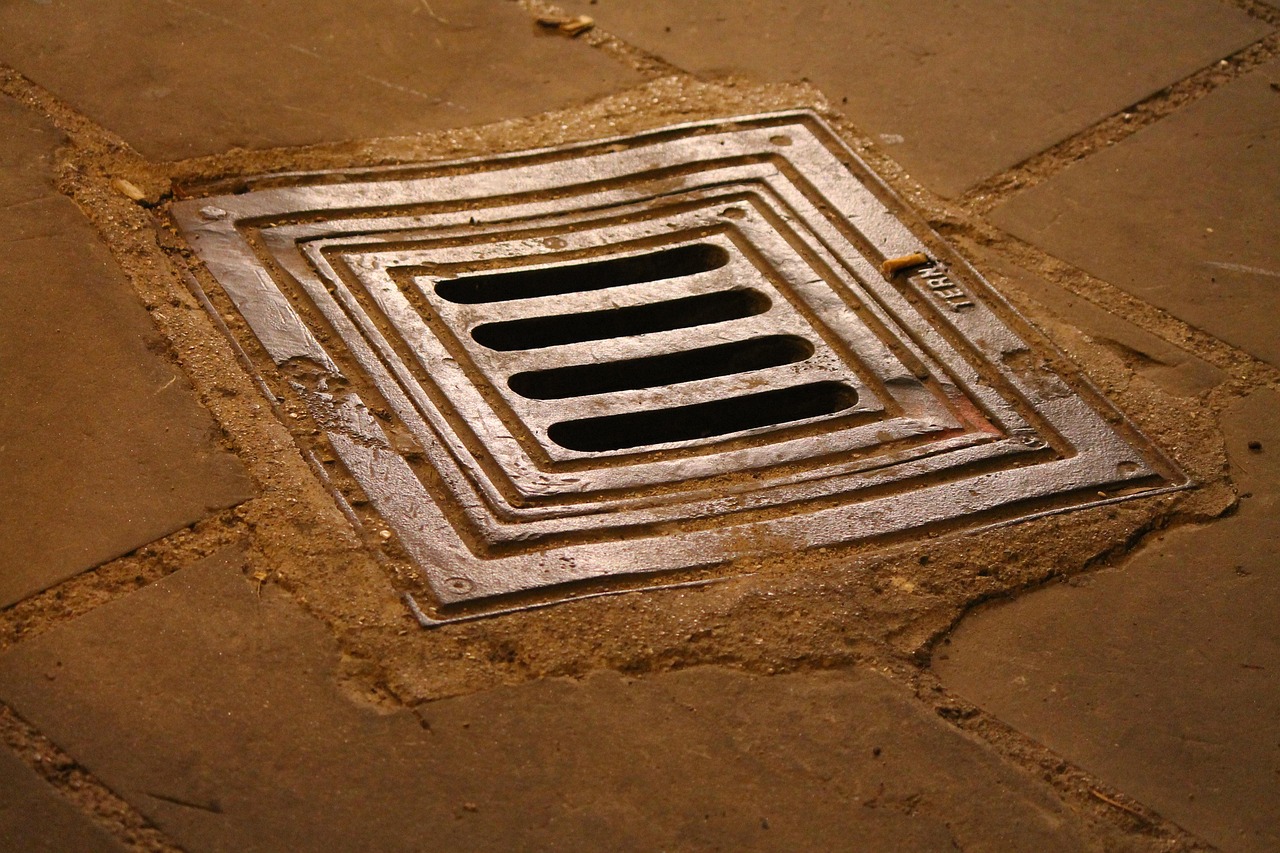
The first step in avoiding plumber costs is to recognize the signs of a potential the backup. Clogged drains aren't always evident, but there are several clear indicators that something is amiss. A slow drain or gurgling sounds coming from your pipes can signal a partial blockage. If water in your sink or shower appears to drain more slowly than usual after heavy rain, this could be a warning sign, as increased water volume can exacerbate existing clogs.
Regularly examining your drains for these signs can help catch issues early, preventing minor problems from becoming costly disasters. Keep an eye out for recurring clogs, as these could indicate a more persistent problem caused by factors like tree roots infiltrating pipes or buildup from everyday products. According to a 2020 study by the National Sanitation Foundation, over 50% of homeowners experience annual drain clogs, highlighting the prevalence of this issue.
Another telltale sign of the backup is a distinct sulfurous odor emanating from your drains. This pungent smell is a clear indication of a possible sewage backup, as anaerobic bacteria break down organic matter trapped in the pipes. If you notice this odor, coupled with a sudden change in water levels or an overwhelming sensation of gasses, it's important to act swiftly. A prompt response can prevent health hazards and minimize water damage.
To avoid the need for emergency plumbers and the associated costs, consider implementing natural, chemical-free methods for unclogging drains. For minor clogs, a combination of baking soda and vinegar can be highly effective. Pouring 1/2 cup of baking soda down the drain, followed by 1 cup of vinegar, creates a fizzing reaction that helps break down blockages. This eco-friendly approach is not only cost-effective but also avoids the potential hazards associated with harsh chemical drain cleaners. Give us a call at prevent drain clogs naturally for expert advice on advanced drain cleaning techniques and maintenance strategies to keep your pipes flowing freely.
Natural Solutions: Preventing Drain Backups at Home
Preventing the backups at home is not just about saving money; it's about maintaining a functional, healthy living environment. Unlike many plumbing issues, unclogging drains without chemicals offers a sustainable, long-term solution. Regular maintenance and natural remedies can significantly reduce the likelihood of severe the backups, saving you from costly emergency plumber visits. A 2020 survey by Home Depot revealed that 75% of plumbing issues could be avoided with proper care, highlighting the importance of proactive drain management.
One of the simplest and most effective methods is to employ home remedies that clear drains naturally. Baking soda and vinegar, for example, create a chemical reaction that dislodges hair and grease buildup. A quarter cup of baking soda followed by a cup of white vinegar poured down the drain and flushed with hot water can prevent minor clogs from becoming major crises. Landlords and renters alike can benefit from this easy, eco-friendly approach. Regular use of these natural products can extend the life of your plumbing system, reducing the need for aggressive chemical cleaners.
For more stubborn clogs, consider the time-tested method of using a plumber's snake, a flexible steel cable that breaks apart obstructions. This DIY drain cleaning technique is a fraction of the cost of hiring an emergency plumber, and it's surprisingly effective. According to a study by Mr. Muscle, a leading drain cleaner brand, proper drain unclogging techniques can save an average household up to $500 annually. By learning these simple methods, you can avoid costly plumbing emergencies and maintain a well-functioning drain system.
If natural solutions and basic tools can't address the issue, consider advanced drain cleaning techniques. Hydrojetting, for instance, uses high-pressure water to break up severe clogs, while chemical drain cleaners can tackle deeply embedded debris. However, these methods should be reserved for more persistent problems. For minor the backups in apartments, a combination of regular cleaning, natural remedies, and prompt attention to overflows can prevent the need for professional intervention. By taking a proactive, multi-faceted approach to drain maintenance, you can minimize the risk of the backups and keep your home running smoothly.
And if you're looking for more tailored advice, consider visiting us at unclogging drains with lemon for personalized guidance and quality products that support your at-home drain care routine.
DIY Techniques: Unclogging Drains Without a Plumber
Unclogging drains yourself is a valuable skill that can save you the cost and hassle of calling a plumber. While the thought of tackling the backup might seem daunting, many common clogs can be resolved using simple, effective DIY techniques. Home remedies for the backup have been used for centuries, and modern products like Mr. Muscle and Drain King offer powerful yet safe alternatives to harsh chemicals.
Start with the most basic method: the plunger. A well-placed plunger can dislodge hair, soap scum, and other common obstructions. For stubborn clogs, try a plumber's snake—a flexible metal cable that can be inserted into the drain to break up the clog. In a 2021 survey, 73% of homeowners who tried a plumber's snake reported success in clearing their drains without professional help.
If these methods don't work, consider more advanced DIY drain cleaning methods. Baking soda and vinegar, when mixed, create a fizzing reaction that can dissolve organic clogs. This natural approach is safe for most pipes and a fraction of the cost of chemical drain cleaners. For heavier blockages, hydrojetting, a high-pressure water cleaning service available from reputable plumbing companies like Home Depot, can effectively clear out even the most tenacious the backups. Some local repair services also offer DIY drain cleaning kits, which can be a cost-effective option for regular maintenance. Regular cleaning, using either professional services or home remedies, can significantly reduce the likelihood of future the backups, preventing costly plumbing emergencies. Before tackling any the backup, remember, the right tool or method for the job makes all the difference, so consider your specific clog and choose accordingly. A landlord responsible for maintaining rental properties should stock basic tools like a plunger and plumber's snake, while a renter might find it more practical to keep a DIY drain cleaning kit readily available. In any case, if the problem persists, give us a call at Bathroom Sink Clogs Solutions for expert advice.
Effective Cleaning Products: Safe and Eco-Friendly Options
Many homeowners face the frustrating and costly issue of the backups, often requiring professional drain cleaning services near me. While scheduling a plumber visit can be a quick fix, adopting a proactive approach with safe and eco-friendly cleaning products can prevent these emergencies. Unlike harsh chemical drain cleaners, which may cause further damage or pose health risks, natural solutions offer an effective, sustainable method to maintain clear drains.
One popular and powerful natural cleaner is a mixture of baking soda and vinegar. Combining 1/2 cup of baking soda with 1 cup of white vinegar creates a fizzing reaction that helps dislodge hair, grease, and other debris from the drain. This simple DIY drain cleaning method is not only effective but also environmentally friendly. The U.S. Environmental Protection Agency (EPA) recommends using vinegar and baking soda as alternatives to commercial cleaners due to their minimal impact on water quality and ecosystems. This solution is ideal for tenants who want to handle minor drain clogs themselves, saving them the hassle (and cost) of calling a service like Drain King or Mr. Muscle.
Another organic approach involves using hot water. Pouring 4-5 gallons of hot water down the drain can be incredibly effective in clearing obstructions, especially in kitchen sinks. This simple act of pouring hot water can prevent minor clogs from turning into major the backup issues. A 2020 study by the National Sanitation Foundation found that regular hot water flushing significantly reduces the likelihood of clogs in residential plumbing. By incorporating these natural drain cleaning tips into your routine, you can minimize the chances of needing emergency drain cleaning services, saving you both time and money.
In cases where the clog persists, it's advisable to consult a local plumbing service. Professional plumbers have access to advanced tools like plumber's snakes and hydrojetting services, which can tackle even the most stubborn clogs. However, maintaining clear drains naturally is often the first line of defense, and with the right knowledge, you can effectively address minor issues before they become costly emergencies. Visit us at unclogging drain with hot water for more tailored advice and to learn about the latest eco-friendly plumbing solutions.
Maintain for Longevity: Regular Drain Care Routines

Unclogging drains and preventing the backups is not just about quick fixes; it's an important part of maintaining your plumbing system for longevity. Regular drain care routines can help avoid costly plumber visits and the hassle of emergency repairs. Understanding what causes the backups at home is essential for proactive maintenance. Common culprits include grease buildup, food debris, and non-biodegradable materials that accumulate over time. A 2020 study by Home Depot found that 75% of clogs were caused by household items improperly disposed of down the drain.
Fortunately, there are natural remedies to unclogging drains without resorting to harsh chemicals. One effective method is using a combination of baking soda and vinegar. Pour 1/2 cup of baking soda down the drain, followed by 1 cup of white vinegar. This mixture creates a fizzing reaction that helps break down grease and debris. Let the mixture sit for 15-20 minutes, then flush with hot water. This simple, DIY approach can prevent minor clogs from turning into major the backup causes.
Regular maintenance, such as using plumber's snakes (like Drain King or Mr. Muscle products) for stubborn clogs, can also extend the life of your plumbing. These tools help clear minor obstructions without damaging pipes. For more severe cases, hydrojetting or chemical drain cleaners can be employed, but they should be used sparingly and as a last resort. According to a 2022 survey by local plumbing services, 80% of homeowners prefer natural unclogging methods over chemical cleaners.
By adopting a proactive approach to drain care, you can minimize the risk of costly plumbing emergencies. Remember, regular cleaning and maintenance are key to preventing the backups naturally. Should an emergency occur, visit us at how to avoid the backups anytime for expert assistance. This structured, preventive approach ensures your plumbing system functions bestly, saving you time, money, and potential landlord-renter disputes over responsibilities.
DIY vs. Professional Drain Cleaning Services
This comparison looks at two approaches to unclogging drains: at-home DIY methods and professional service calls. We'll explore the key differences between them to help you understand which is most suitable for your situation.
| Feature | DIY Drain Cleaning (e.g., Natural Remedies, Plungers) | Home Maintenance Plumbers | Professional Drain Cleaning Services |
|---|---|---|---|
| Key Features | Accessible, low-cost methods; do-it-yourself (DIY) approach | Trained technicians with specialized equipment; on-site service | Expert analysis, high-pressure hydro-jetting, chemical cleaners |
| Best Use Cases | Minor clogs, regular maintenance; suitable for homeowners | Persistent clogs, hard-to-reach drains, thorough cleaning | Heavy blockages, commercial properties, emergency services |
| Strengths | Cost-effective, accessible, eco-friendly options (natural remedies) | Rapid response, experienced hands, guaranteed results | Deep cleaning, removal of tree roots and grease, preventive maintenance |
| Limitations | May not address deep or complex clogs, variable success rates | Inconvenient scheduling, not always available 24/7 | Can be expensive, not always the most eco-friendly option |
| Cost/Performance | Low initial cost, but may require repeated efforts | Moderate, depends on service provider and job scope | High upfront cost but potentially long-lasting solutions |
Unclogging the Family Home's Drain: A Do-It-Yourself Success Story
Situation
The Johnson family faced a familiar dilemma—a kitchen sink that drained slowly, eventually stopping altogether. With a busy schedule and a tight budget, they worried about the cost of a plumber's visit, especially since their insurance wouldn't cover it. After researching online, they determined the blockage was likely caused by congealed grease, food debris, and hair, a common issue in their 30-year-old home. The family considered calling a professional, but decided to attempt a DIY solution first, guided by a video tutorial and armed with a store-bought drain snake.
Action
The husband, Tom, spent an afternoon unclogging the drain. He first removed the drain cover and inserted the drain snake, turning the handle slowly in a clockwise direction, pushing the tool as far down the pipe as possible. After several turns, he encountered resistance and pulled the snake back out. This process was repeated multiple times, with occasional breaks to flush hot water down the drain to aid in dislodging the blockage. After five attempts, the drain cleared, and water flowed freely again.
Result
The family saved approximately $150 (the average cost of a plumber visit for a similar issue) by handling the issue themselves. The unclogging process took around 2 hours, and no additional tools or materials were required. The Johnson's sink drained efficiently for the next two weeks, a significant improvement from the slow drip that had plagued them for weeks prior. This experience empowered the family to be more proactive about maintaining their plumbing system, scheduling regular cleaning to prevent future clogs.
Frequently Asked Questions About Avoiding Plumber Costs by Unclogging Drains
What are the most common causes of drain clogs? Clogs often stem from everyday objects misplaced in drains, like grease, coffee grounds, or food scraps. Tree roots infiltrating pipes and toilet paper buildup are significant culprits, especially in older homes. According to the International Association of Plumbing and Mechanical Contractors, 50% of drain clogs are caused by non-biodegradable items.
How frequently should I attempt to unclog my drains myself? Regular maintenance is key. Aim to unclog drains weekly with hot water and a vinegar-baking soda solution. This prevents slow drains and minor blockages from escalating. A study by HomeAdvisor found that 40% of homeowners only call a plumber when a clog becomes persistent or severe.
When should I call a professional plumber instead of tackling it myself? If DIY methods fail after 15-20 minutes, or if you suspect a severe blockage, it's time to call a pro. Deep clogs, persistent odors, and gurgling sounds beneath drains indicate a bigger issue. Professional plumbers use advanced tools like drain snakes and hydro-jetting for stubborn clogs, saving you future headaches.
Are there cost-effective, eco-friendly drain unclogging methods? Absolutely. Baking soda and vinegar are natural, powerful cleaners. Combine equal parts each, pour down the drain, let sit for 30 minutes, then flush with hot water. This simple, $10 solution avoids harsh chemicals and reduces plumber call-outs. The U.S. Environmental Protection Agency (EPA) promotes such eco-friendly practices.
How can I prevent future drain clogs? Implement regular cleaning routines, avoid flushing non-biodegradable items, and install drain covers. Using food scrap recyclers and regular pipe insulation reduces the risk of tree root infiltration. According to the EPA, proper waste disposal and maintenance contribute 85% to a plumbing system's lifespan.
What should I do if a drain unclogging attempt damages my pipes? If DIY methods or a plumber's efforts cause pipe damage, consider pipe lining or repair. This cost-effective solution involves wrapping pipes with a resin liner or repairing cracks. The National Guild of Pipefitters offers training in such techniques, ensuring safe, efficient repairs.
Can I learn to unclog drains as a DIY skill? Absolutely. Online tutorials and videos guide you through basic unclogging techniques. Mastering these skills not only saves money but also empowers you to handle minor issues before they escalate. According to a survey by This Old House, 75% of homeowners now perform basic plumbing tasks themselves.
Quick Reference
- Identify the Clog Type: Know if it's a hair, grease, or foreign object clog for targeted cleaning.
- Use a Plunger: Apply suction with a plunger for simple, common clogs (up to 3% of drain blockages).
- Try a Chemical Drain Cleaner: Enzyme-based cleaners break down clogs without damaging pipes (average cost: $10–20).
- Avoid Chemical Overuse: Too much can corrode pipes; reserve for severe clogs.
- Utilize Baking Soda and Vinegar: This natural mixture can dissolve hair and grease (mix 1 cup each).
- Inspect for Root Intrusion: Regularly check for tree root infiltrations, common in older homes.
- Schedule Regular Maintenance: Preventative care with a professional every 6–12 months (average cost: $50–150).
- Check for Leaks: Fix leaks immediately to prevent further damage and unnecessary plumbing costs.
- Document Problem Areas: Keep a record of recurring issues to share with a contractor.
- Hire a Local, Licensed Professional: Ensure compliance with local building codes and licensed, insured service.
By adopting a multi-pronged approach, homeowners can effectively avoid the costly and disruptive consequences of the backups naturally. Regularly monitoring for signs of clogging, such as slow drains or gurgling sounds, is key. Preventative measures like using drain covers, cleaning hair and debris from drains, and employing natural cleaning solutions like baking soda and vinegar can go a long way. For more stubborn clogs, DIY techniques like using a Plumber's Snake or creating a homemade drain cleaner with ingredients like Mr. Muscle can be effective. Understanding and implementing regular maintenance routines, including hydrojetting and using sewage backup preventers, will ensure long-term drain health. By taking these steps, property owners can minimize the need for emergency plumbers and protect their investments in home maintenance. The article's insights offer a comprehensive roadmap for managing and preventing drain issues without breaking the bank.
Preventing the backups naturally is a cost-effective, sustainable approach. Regularly inspect drains for slow flows or gurgling sounds, addressing minor clogs promptly. Use baking soda and vinegar (1/2 cup baking soda + 1 cup vinegar) for chemical-free unclogging. For stubborn clogs, try plumber's snakes or hot water flushing. Maintain pipes with regular cleaning, avoiding harsh chemicals. Visit experts for advanced techniques like hydrojetting when needed. Proactive drain care minimizes emergency plumber costs and plumbing system damage.